What Should a Professional Jewelry Exporter Do When Receiving a Custom Jewelry Order?
Receiving a custom jewelry order involves much more than selecting beautiful gemstones and providing a quotation. From understanding customer requirements and choosing the right loose gemstones to exploring setting techniques, coordinating sampling, and managing quality control, every step matters. Discover why understanding the manufacturing process is essential for jewelry exporters who want to deliver greater value and build long-term customer relationships.
Recently, I had the opportunity to meet with a business partner to discuss the development of gemstone settings for handbag accessories.
It was a valuable conversation that gave me a new perspective on my work as a gemstone exporter.
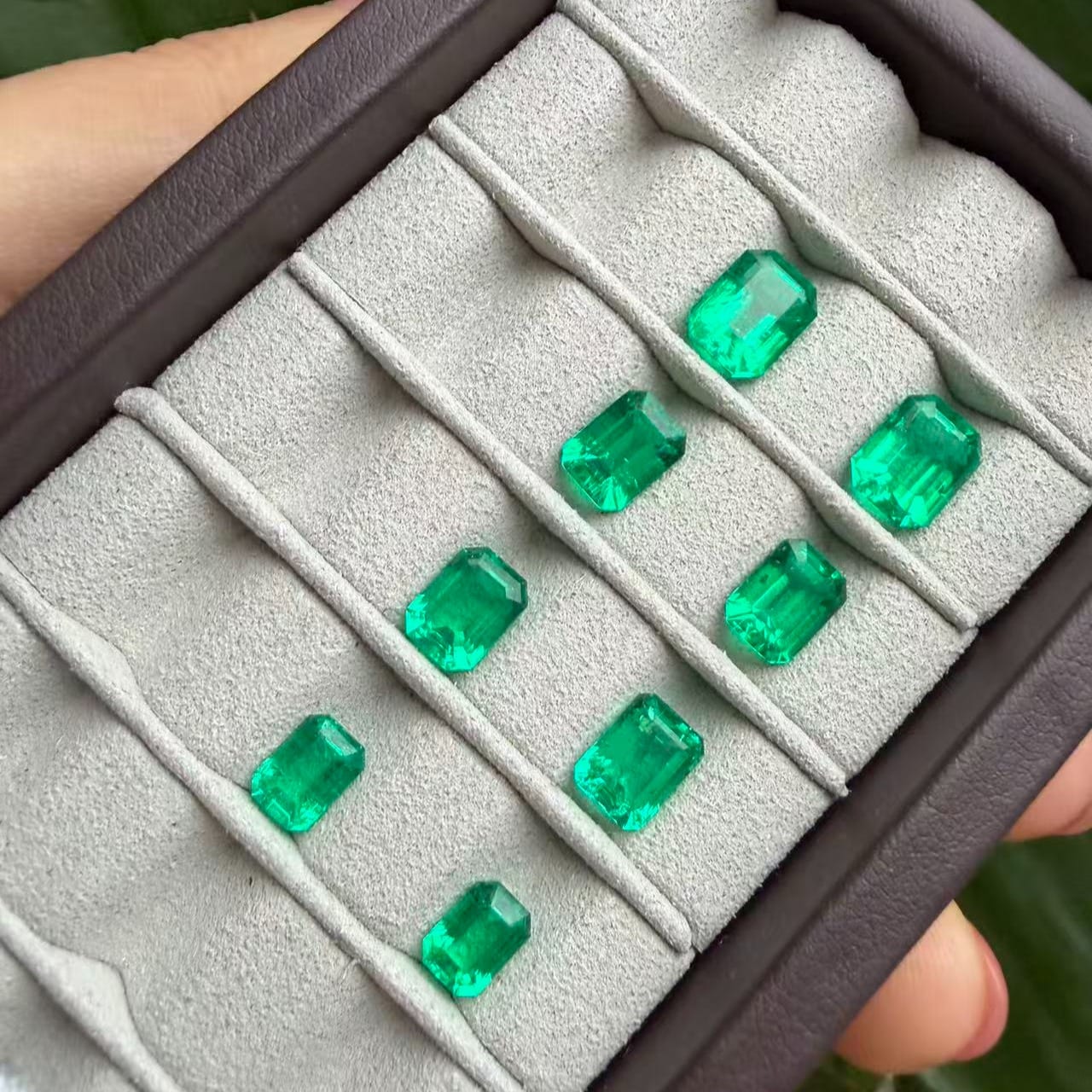
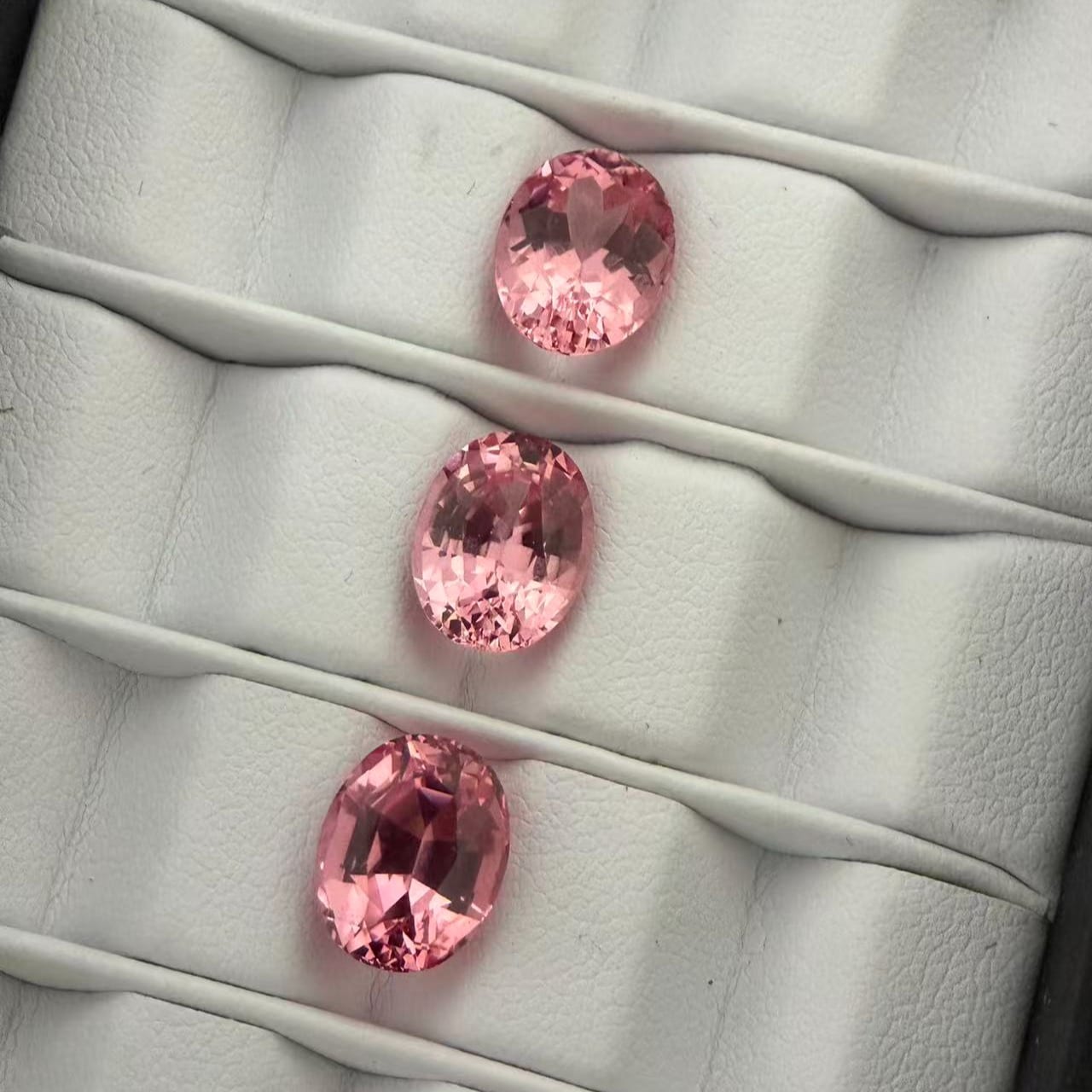
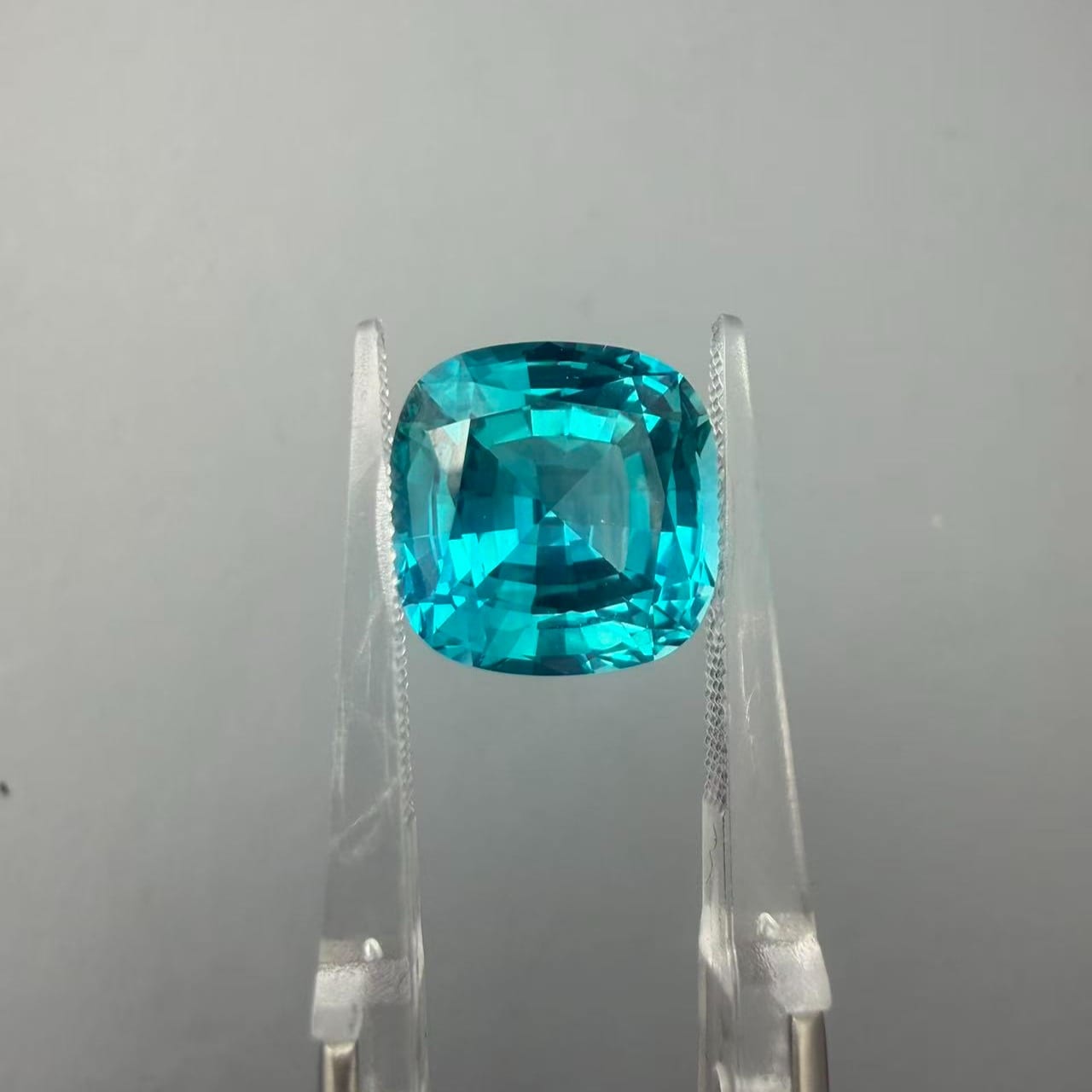
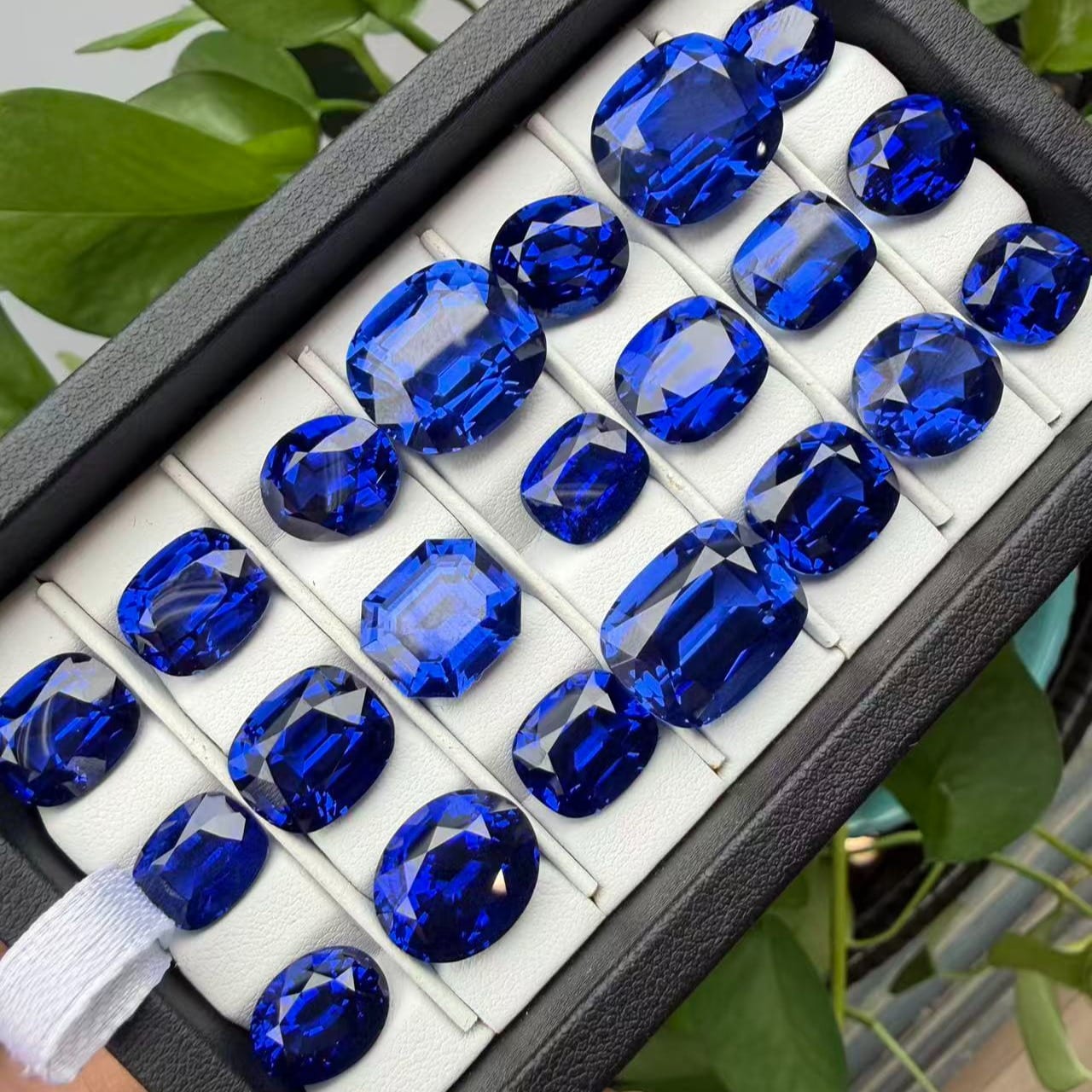
Traditionally, much of our daily work focuses on loose gemstones - their color, clarity, cut, size, quality, and pricing. However, when customers move beyond purchasing loose gemstones and start exploring custom jewelry or fashion accessory development, there is much more to consider.
We need to look beyond the gemstones themselves and understand how they will eventually be used in a finished product.
After all, customers are not simply looking for beautiful gemstones. They want a finished product that meets their design expectations, functional requirements, and quality standards.
So, what should a professional jewelry exporter do when receiving a custom jewelry order?
Here are six important steps worth considering.
1. Understand the Customer's Needs Before Quoting
When a customer sends us a product photo, reference image, or initial design concept, it does not necessarily mean that all the order details are clear.
Before providing a quotation, we should take the time to understand the customer's actual requirements.
Some important questions include:
What type of product does the customer want to develop?
What is its intended use?
What gemstone type, color, size, and quality are required?
Are there specific requirements for the metal material or design?
Is this a one-piece custom order or a potential bulk production project?
What is the target budget and expected delivery time?
Sometimes, customers know exactly what they want the final product to look like, but they may not know which gemstones, materials, or manufacturing methods are most suitable.
This is where effective communication becomes essential.
Our job is not simply to receive an inquiry and send a price. We should help customers turn their initial ideas into clear and achievable product requirements.
2. Understand Not Only Loose Gemstones, but Also Their Final Applications
As loose gemstone exporters, we work with gemstones every day.
However, I increasingly believe that selecting gemstones should involve more than evaluating their individual beauty and quality.
We also need to understand where and how these gemstones will eventually be used.
For example, if a customer wants to develop handbag accessories featuring gemstone settings, we should consider:
Which gemstone shapes are most suitable for the design?
Are the gemstone dimensions and depth compatible with the setting?
Do different gemstone colors work well together?
Will the cut and proportions create the desired appearance?
Is consistent color and size matching required for bulk production?
The requirements for a gemstone used in a ring, a pair of earrings, or a handbag accessory can be quite different.
Understanding the final application allows us to provide more practical gemstone recommendations from the very beginning.
In other words, gemstone selection should not be separated from product development.
3. Understand Setting Techniques and Manufacturing Processes
This is one of the most important lessons I took away from my recent discussion about gemstone settings for handbag accessories.
In the past, we might have assumed that once the customer selected the gemstones, the remaining setting and manufacturing work could simply be handled by the factory.
However, when it comes to developing a new product, many technical details need to be considered in advance.
For example:
Which setting technique is most suitable for the product?
How will the gemstones be integrated into the main structure?
Are the gemstone dimensions compatible with the setting design?
Could the manufacturing process potentially damage the gemstones?
Will the gemstones remain securely set after production?
Could everyday friction, impact, or movement cause the stones to loosen?
For handbag accessories and fashion jewelry components, the considerations go beyond appearance. Product structure, attachment methods, durability, and practical use are equally important.
As exporters, we do not necessarily need to master every setting technique or perform the manufacturing ourselves.
However, we should understand the basic manufacturing processes, know which details require special attention, and communicate effectively with professional manufacturers when technical questions arise.
Understanding manufacturing techniques does not mean becoming a jewelry craftsman. It means developing the ability to evaluate, coordinate, and manage custom orders more professionally.
4. Develop Samples Before Moving into Mass Production
One important difference between custom jewelry orders and regular loose gemstone purchases is that the final appearance often needs to be verified through actual sampling.
A design may look beautiful on a drawing or computer screen, but that does not guarantee that the finished product will achieve the same result.
Gemstone dimensions, setting structures, metal proportions, color combinations, and overall product balance can all affect the final appearance.
For new designs or projects involving special manufacturing techniques, developing a sample before mass production is highly recommended.
A physical sample allows us to identify potential issues, make necessary adjustments, and confirm whether the design and manufacturing process meet the customer's expectations.
Important details such as gemstone specifications, metal materials, dimensions, and approved sample requirements should also be documented clearly.
This helps minimize misunderstandings and unnecessary production costs later.
5. Evaluate Costs, Lead Times, and Supplier Capabilities Before Quoting
Quoting a custom jewelry order involves much more than adding the gemstone price to the manufacturing fee.
Depending on the project, the overall cost may include:
Loose gemstone purchasing costs
Precious metals and other materials
Design and sampling fees
Gemstone setting and manufacturing costs
Surface finishing and quality inspection
Packaging and shipping expenses
Beyond pricing, we also need to evaluate the capabilities of our suppliers and manufacturing partners.
Can they consistently provide gemstones that meet the required specifications?
Do they have the necessary manufacturing experience?
Can they maintain consistent quality during bulk production?
Are there any outsourced processes that may affect the delivery schedule?
These questions should be addressed before making commitments to the customer.
A professional quotation is not simply a number. It should reflect a realistic understanding of the materials, manufacturing process, quality requirements, and delivery capabilities involved in the project.
6. Follow Up on Production and Quality Control
Receiving order confirmation does not mean our work is finished.
For custom jewelry projects, continuous follow-up is essential throughout the production process.
From gemstone sourcing and material preparation to sample approval and final manufacturing, every stage deserves attention.
Some important points to check include:
Do the gemstones match the approved specifications?
Are the metal materials and product dimensions correct?
Does the setting meet the agreed design requirements?
Are there any visible defects or finishing issues?
Are the gemstones securely set?
Does the finished product match the approved sample?
Whenever possible, requesting production photos and videos can help us monitor progress and identify potential issues early.
If something does not meet the agreed requirements, it is always better to communicate and resolve the problem before the goods are completed or shipped.
Ultimately, customers are not only purchasing a product. They are also relying on our commitment to quality and delivery.
Final Thoughts: Professional Growth Comes from Expanding Our Knowledge
My recent discussion about gemstone setting development for handbag accessories reminded me that there is always more to learn in the jewelry trade.
Especially when our business expands from loose gemstone trading into custom jewelry and product development, our knowledge needs to grow as well.
We may not be jewelry designers, setting specialists, or manufacturing technicians.
But we should understand gemstones, recognize customer requirements, and develop a practical understanding of manufacturing processes and supply chain management.
We do not need to handle every task ourselves. What matters is knowing what needs to be considered at each stage, who to communicate with, and how to help turn a customer's ideas into a finished product.
The value of a loose gemstone lies not only in its individual quality and beauty, but also in the possibilities of how it can be transformed into a finished product.
My goal is to be more than just a loose gemstone supplier. I want to become a reliable business partner who understands customer needs, participates in product development, and helps customers find practical solutions.
I believe this is an important direction for professional growth in the jewelry export industry.
Continuous learning is what helps us create greater value for our customers.