Buying Padparadscha: Practical Tips to Source, Sell, and Boost Profits
How to Choose Padparadscha Sapphire Colors for Jewelry
Padparadscha sapphire has a color that is hard to ignore.
That soft mix of pink and orange can look completely different from one stone to another. For jewelry designers and buyers, that is part of the fun - but it can also make sourcing a little tricky.
Whether you're working with natural or lab-grown Padparadscha, the basic goal is the same: understand the color, keep the stones consistent, and choose a design that brings out the best in the gemstone.
Here are a few things we think are worth knowing when buying and working with Padparadscha sapphire.
Three Padparadscha Color Types to Know
There is no single shade that every Padparadscha has to look like. In practice, you'll often see stones described according to where they sit between pink and orange.
Classic Salmon - The Traditional Padparadscha Look
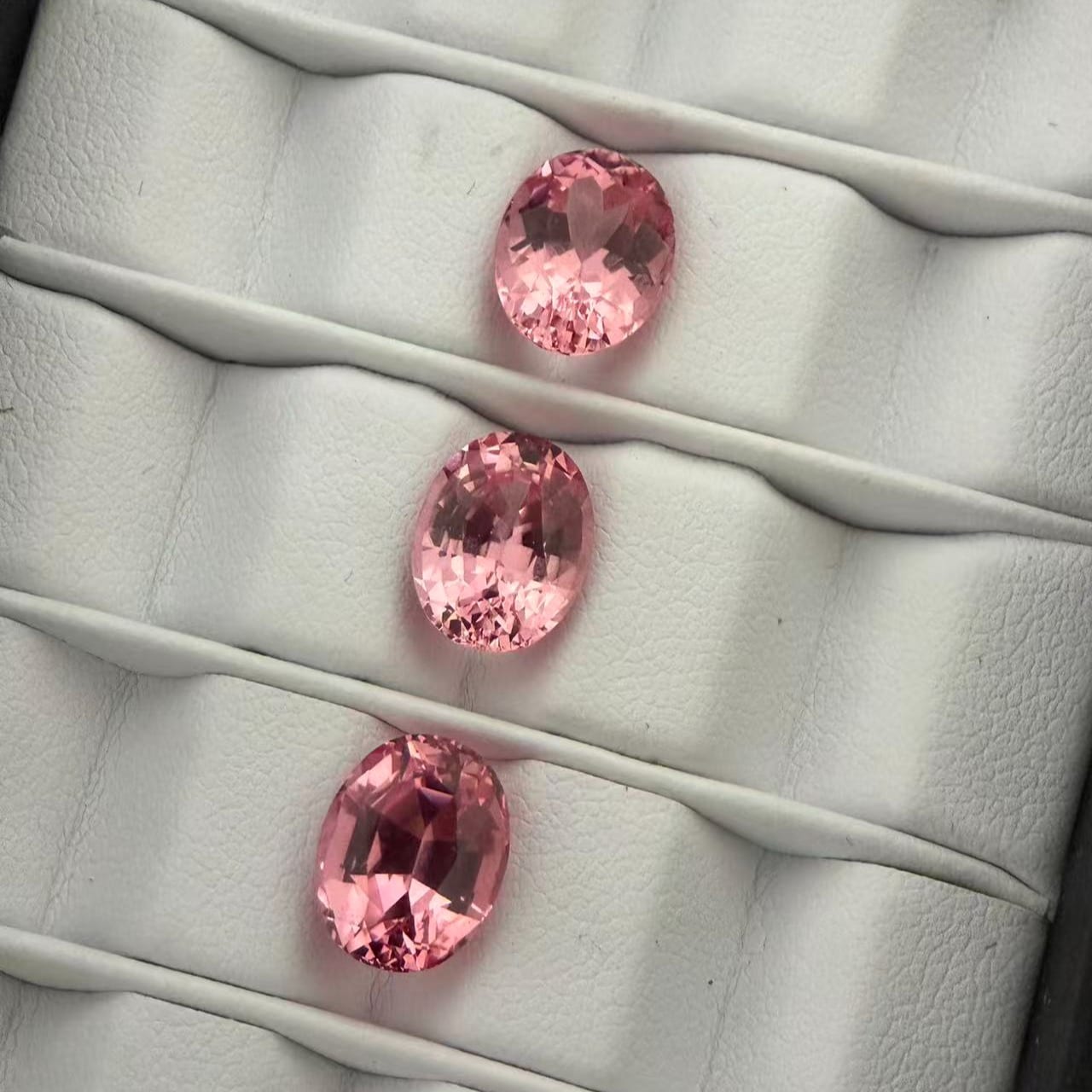
This is the balanced pink-orange color that many people associate with Padparadscha.
It can have a soft salmon or lotus-blossom appearance, with neither pink nor orange completely taking over.
Fine stones in this balanced color are generally more difficult to find and can command higher prices.
Pink-Leaning Padparadscha
These stones have noticeably more pink than orange.
At first glance, some may look closer to pink sapphire, especially under certain lighting.
They can be easier to match with existing pink-sapphire inventory and may be more accessible in terms of price than strongly balanced material.
Orange-Leaning Padparadscha
Here, the orange becomes more noticeable.
Some stones can approach a warmer, more intense orange while still retaining the pink component that gives them a Padparadscha character.
These warmer stones can look particularly attractive in yellow-gold settings and are a good option for customers who prefer a stronger, warmer color.
How to Compare Padparadscha Colors
When you're comparing stones, don't rely only on the name.
Look at them under daylight-equivalent lighting and, ideally, compare them with a reference stone or color chart.
There are three things worth paying attention to:
Hue - How much pink versus orange do you see?
Tone - Is the stone light, medium, or darker?
Saturation - Does the color feel vivid or more muted?
Photos can be helpful, but they can also be misleading. Camera settings, lighting, and screens can all change how the color appears.
If you're buying remotely, ask for stones photographed under standard lighting or request a short video showing the stones under daylight and LED lighting.
What to Watch for When Buying Padparadscha
Whether you're buying natural or lab-grown material, clear communication with your supplier is important.
Natural vs. Lab-Grown
Natural and lab-grown Padparadscha can look very similar in color and brilliance.
If the material is lab-grown, it should always be clearly disclosed and labeled as lab-grown.
For many jewelry businesses, lab-grown material can offer more consistent supply and help keep production costs under control.
Natural material, on the other hand, may be chosen for its natural origin, rarity, and individuality.
The important thing is that the distinction is clear from the beginning.
Gem Reports and Treatment
For higher-value stones, ask about laboratory reports and treatment information.
Reports from recognized laboratories such as GIA, SSEF, or AGL can provide useful information about origin and treatments.
Heating is common in sapphire, so treatment disclosure is important. If a treatment is used to create or significantly alter the color, it should be clearly disclosed.
Clarity and Cut
Eye-clean material is generally attractive for jewelry, but clarity isn't the only thing that matters.
A good cut can make a big difference to how the Padparadscha color looks.
A stone that is too shallow or too deep may lose some of its color or show darker areas.
For designers, it is often worth looking at the stone as a whole rather than focusing on one specification.
Matching Pairs and Parcels
If you're buying stones for earrings, multi-stone rings, or a collection, matching becomes much more important.
Ask your supplier to pre-match pairs or parcels whenever possible.
For larger orders, having a masterstone for the lot can also make future quality checks much easier.
Return and QC Terms
Photos are useful, but they don't always tell the whole story.
Before placing a larger order, make sure you understand the inspection period and return or replacement terms, especially if color matching is important to your project.
It's much easier to solve a color disagreement when both sides have agreed on the standard beforehand.
Jewelry Styles That Work Well With Padparadscha
Padparadscha is versatile, but some designs naturally bring out its color.
Solitaire Rings
An open-back solitaire allows plenty of light into the stone and keeps the focus on the Padparadscha itself.
Rose gold can work beautifully with pink-leaning stones, while yellow gold can bring out the warmth of orange-leaning material.
Halo Settings
Small diamonds or white sapphires around the center stone can add contrast and make the Padparadscha appear brighter and more prominent.
Two-Stone and Bypass Designs
Pairing Padparadscha with a white diamond, cognac diamond, or contrasting sapphire can create a more distinctive look.
This can be particularly interesting for designers who want the gemstone to feel less traditional.
Delicate and Stackable Jewelry
Small Padparadscha stones can also work well in thin bands, stacking rings, and smaller gift-oriented pieces.
For younger customers and modern jewelry collections, this can be an easy way to introduce the color without making the piece feel too formal.
How to Create More Value Around Padparadscha
The gemstone itself is only part of the story.
For jewelry brands and designers, the way you present the stone can also make a difference.
Create Something Distinctive
Limited-run designs, signature cuts, or recognizable settings can make a Padparadscha collection feel more exclusive.
Build Collections Around Color
Instead of treating every stone as simply "Padparadscha," you can create clear color groups such as classic salmon, pink-leaning, and orange-leaning.
Consistent photography and labeling make these differences easier for customers to understand and can also support different price levels.
Give Customers Confidence
For valuable or rare colors, clear certification and treatment disclosure can make customers more comfortable with their purchase.
People are often willing to pay more when they understand exactly what they are buying.
Think About Pairing
Matching earrings, ring-and-earring sets, engraving, or other small services can make the overall purchase feel more complete.
Tell the Right Story
For lab-grown Padparadscha, you can focus on consistent quality, traceability, and production flexibility.
For natural Padparadscha, the story may be more about natural origin, rarity, and the individuality of each stone.
The important thing is to keep the story accurate and transparent.
Don't Underestimate Good Photography
Padparadscha is a color-driven gemstone, so good photography matters.
Color-accurate photos and short videos can help customers understand what they are actually buying and can reduce unnecessary returns.
A Quick Checklist Before You Buy
Before placing an order for Padparadscha sapphire, it is worth checking a few basics:
Confirm whether the stones are natural or lab-grown.
Ask about treatment history.
Request laboratory reports when needed.
Agree on a color reference or masterstone.
Confirm matching requirements for pairs or parcels.
Check size and carat specifications.
Understand the inspection and return terms.
Decide whether your project is better suited to natural rarity or lab-grown consistency.
The right choice depends on the jewelry you're making, the customer you're designing for, and the kind of supply consistency your business needs.
Padparadscha doesn't have to be complicated.
Once you have a clear idea of the color you're looking for and communicate that clearly with your supplier, sourcing becomes much easier.